Solar Panels in Rawalpindi: A 2026 Homeowner Cost & Savings Guide
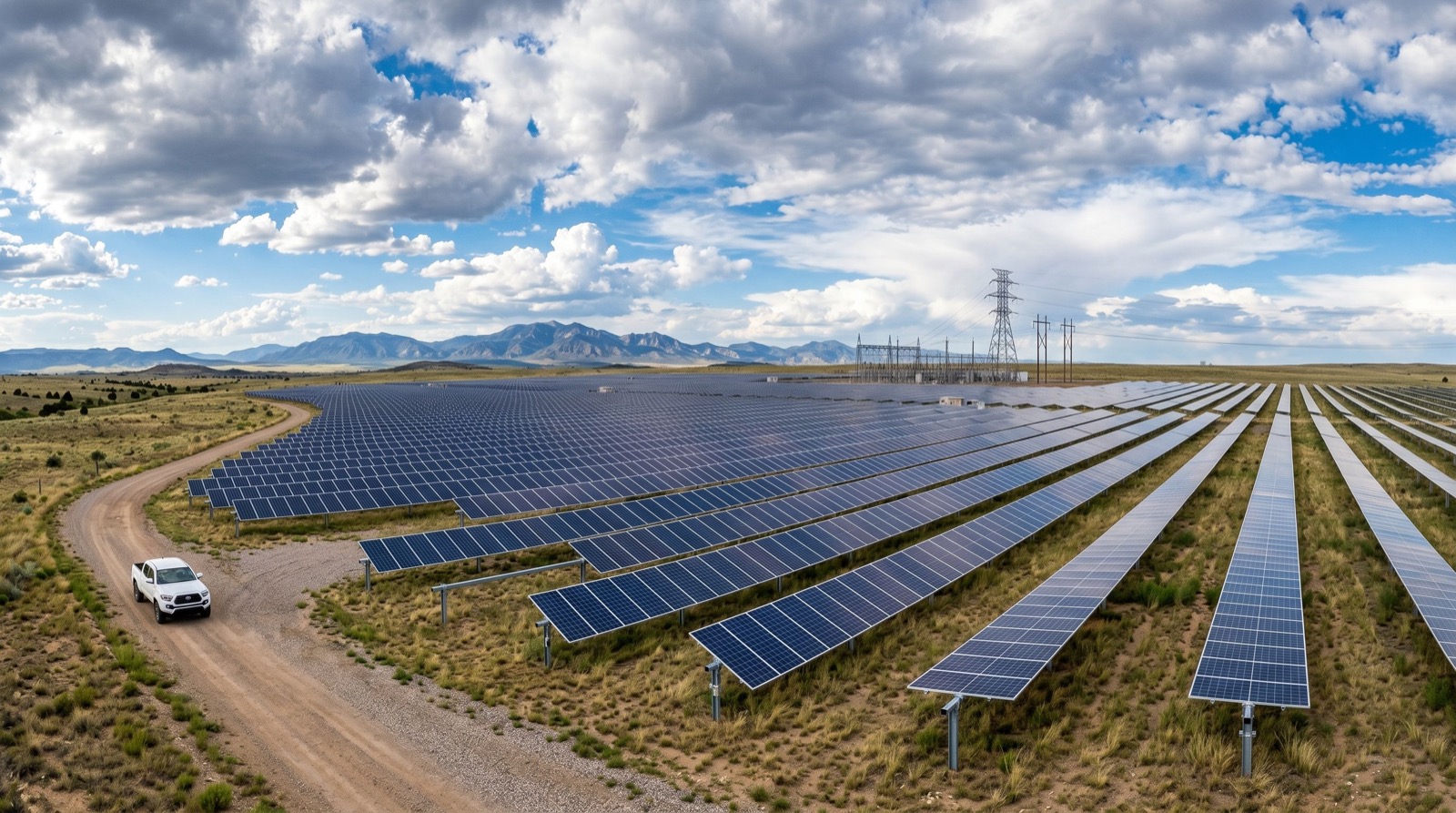
If you are weighing up solar panels in Rawalpindi this year, you are joining thousands of households and small businesses across the twin-cities region who are tired of load-shedding and rising grid tariffs. Rawalpindi’s mix of hot summers, clear winter skies, and long daylight hours makes it one of the better-suited cities in Punjab for rooftop solar. In this 2026 guide, I break down real costs, system sizes, payback periods, and the mistakes I see people make so you can plan a system that actually pays for itself.
Rather than sell you on hype, the goal here is to give you the numbers and the checklist a careful buyer needs. Solar is a long-term asset, not an impulse purchase, so treating it like a home-improvement investment leads to far better outcomes.
Why solar panels in Rawalpindi make sense in 2026
Electricity from IESCO has climbed steadily, and net-metering rules still let you export surplus units back to the grid. That combination shortens the payback window considerably. A well-designed rooftop system in Rawalpindi typically covers 70–90% of a household’s annual consumption.
Rawalpindi receives strong solar irradiance for most of the year. According to the International Renewable Energy Agency, Pakistan sits in one of the world’s highest-potential solar belts, receiving between 5 and 7 kWh of solar energy per square metre daily. That is free fuel landing on your roof every single day.
What load-shedding really costs you
Beyond the monthly bill, unreliable grid power means spoiled food, interrupted work, and generator fuel costs. A hybrid solar system with battery backup removes most of that pain. Once you factor in the diesel or petrol you no longer burn, the effective payback is faster than the sticker math suggests.
How much do solar panels cost in Rawalpindi?
Prices shift with the rupee and panel supply, but the table below reflects realistic 2026 ranges for complete, installed systems in the Rawalpindi–Islamabad area. These figures include panels, an inverter, mounting structure, wiring, and standard installation.
| System Size | Best For | Approx. Monthly Units | Installed Cost (PKR, 2026) |
|---|---|---|---|
| 3 kW (on-grid) | Small home, 1–2 ACs | 350–450 | 550,000 – 750,000 |
| 5 kW (hybrid) | Mid-size home, 2–3 ACs | 600–750 | 1,000,000 – 1,400,000 |
| 10 kW (hybrid) | Large home / small shop | 1,200–1,500 | 2,000,000 – 2,700,000 |
| 15 kW (commercial) | Office / clinic | 1,800–2,200 | 3,000,000 – 4,100,000 |
On-grid systems are cheapest because they skip batteries, but they shut off during outages. Hybrid systems cost more upfront yet deliver true backup, which is why most Rawalpindi buyers in 2026 choose them.
What drives the price up or down
- Panel tier: Tier-1 mono PERC or N-type panels cost more but last longer and produce more per square foot.
- Inverter brand: A quality hybrid inverter is the brain of the system; skimping here causes headaches.
- Battery chemistry: Lithium (LiFePO4) costs more than lead-acid but lasts three to four times longer.
- Roof complexity: Awkward angles or shaded roofs need extra structure and optimisers.
Choosing the right installer
The panels matter, but the installer matters more. A cheap crew that mis-wires your array or under-sizes the cabling can quietly waste 15% of your output for a decade. When you compare quotes, look past the headline price and check warranties, after-sales support, and net-metering paperwork experience.
Reputable providers of solar panels in Rawalpindi will do a proper load assessment, inspect your roof, and size the system to your actual consumption rather than pushing a one-size-fits-all package. If you have connections in nearby cities, it is worth noting the same standards apply to a good solar company in Gujranwala — the fundamentals of honest sizing and quality gear do not change with the postcode.
How do I know if my roof is suitable?
Most flat or south-facing rooftops in Rawalpindi work well. What you want to avoid is heavy shading from water tanks, taller neighbouring buildings, or trees between roughly 9 a.m. and 4 p.m. A quick shade study during a site visit answers this. If you are also evaluating property or vertical developments in the region, working with dependable specialists early helps you plan roof orientation before construction is even finished.
The step-by-step installation process
- Site survey & load audit: The team measures roof space, checks shading, and reviews your last 12 electricity bills.
- System design & quote: You receive a sized proposal with panel count, inverter, and production estimate.
- Structure & mounting: Galvanised or aluminium frames are installed to withstand Rawalpindi’s wind loads.
- Panel & inverter fitting: Panels are wired into strings and connected to the inverter and DB.
- Net-metering application: The installer files with IESCO for a bi-directional meter.
- Commissioning & monitoring: The system is tested and a monitoring app is set up so you can track production daily.
Start to finish, a residential job usually takes two to four days on-site, with net-metering approval adding a few weeks.
Real payback: how fast do you break even?
For a typical 5 kW hybrid system saving a household around PKR 35,000–45,000 per month, the payback period in 2026 lands between three and five years. After that, you are generating essentially free power for the remaining 20-plus years of the panels’ life. Manufacturers such as Jinko Solar back their modules with 25-year performance warranties, so the long tail of savings is well documented.
Frequently Asked Questions
Are solar panels in Rawalpindi worth it with rising costs?
Yes. Even with fluctuating panel prices, the gap between grid tariffs and solar generation cost keeps widening, so the return on investment in 2026 remains strong — typically a three-to-five-year payback for a hybrid system.
Do solar panels work during Rawalpindi’s cloudy or foggy days?
They produce less on overcast or foggy winter mornings but still generate power from diffused light. Hybrid systems with batteries bridge low-production periods, and the grid covers any shortfall.
How long do solar panels last?
Quality Tier-1 panels are warrantied for 25 years and often keep producing beyond 30, with only a gradual, predictable drop in output of around 0.5% per year.
Can I add batteries to an on-grid system later?
Sometimes, but it is cleaner and cheaper to install a hybrid inverter from the start if backup is a priority. Retrofitting can mean replacing the inverter.
Conclusion: plan smart, save for decades
Investing in solar panels in Rawalpindi in 2026 is one of the most reliable ways to cut your electricity bills and shield your home from load-shedding. Size the system to your real usage, choose Tier-1 gear, and pick an installer who handles net-metering properly. Do that, and your rooftop becomes a quiet, decades-long asset. Ready to get a free site survey and a custom quote? Reach out to a trusted local team today and start generating your own power.