Drive-Thru Solution in Saudi Arabia: 2026 Guide
Choosing the right drive-thru solution is now a strategic decision for restaurants, pharmacies, and banks across Saudi Arabia. In 2026, customers expect fast, contactless, and accurate service from their cars, and the technology behind the lane has become a genuine competitive edge. This guide takes an end-to-end view, covering ordering, communication, payment, and how smart lanes connect to wider queue management across cities like Riyadh, Jeddah, and beyond.
Rather than focus on a single product, we will look at how the pieces fit into one system that lifts throughput and return on investment.
What Makes a Complete Drive-Thru Solution?
A complete drive-thru solution blends hardware, software, and data into a single flow. It starts when a car arrives and ends with analytics that tell you how to improve tomorrow. The best systems remove friction at every step, from greeting to payment, while giving managers the numbers to coach performance.
Modern lanes typically combine several layers:
- Communication: clear, wireless two-way audio between crew and customer.
- Digital menu boards: dynamic, dayparted menus that reduce confusion.
- Order confirmation: screens that display items to cut mistakes.
- Timing analytics: stage-by-stage measurement of lane speed.
- Contactless payment: fast, secure transactions at the window.
For operators wanting a fully integrated build, a specialist Drive-Thru Solution in Saudi Arabia partner can align every layer and provide ongoing support.
How Does a Drive-Thru Solution Improve ROI?
Return on investment comes from three sources: more cars served, fewer errors, and better labour planning. When a lane moves faster and orders are right the first time, the same crew handles more revenue with less waste. Industry analysis from QSR Magazine repeatedly links speed of service and accuracy to repeat visits and higher average spend.
Here is how the numbers add up in practice:
- Faster lanes increase cars served during every peak daypart.
- Confirmation boards cut costly remakes and refunds.
- Timing data reveals bottlenecks you can fix without new staff.
- Contactless payment shortens the final, revenue-critical step.
- Cross-site benchmarking spreads best practice between branches.
Connecting Drive-Thru with In-Branch Queue Management
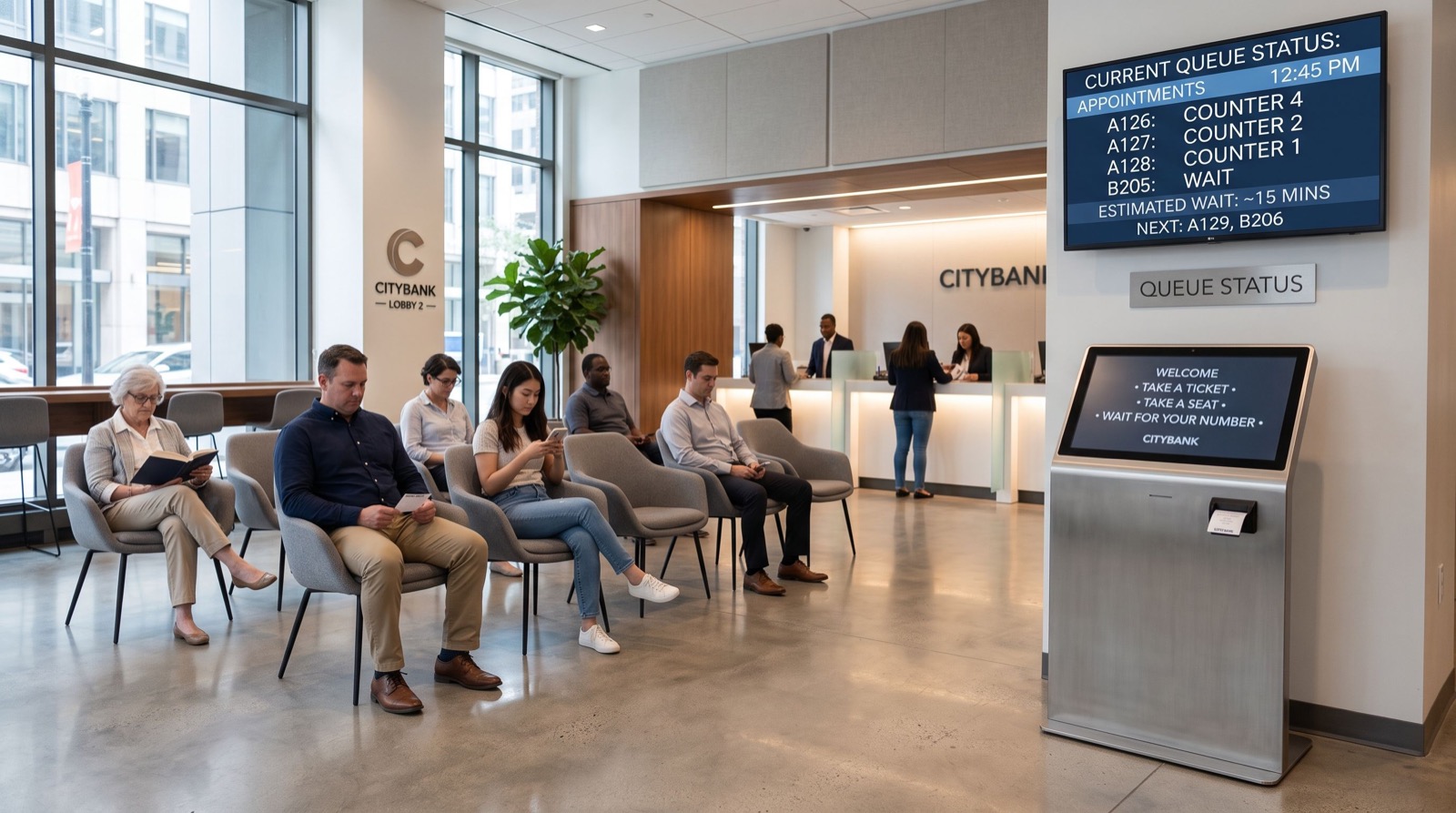
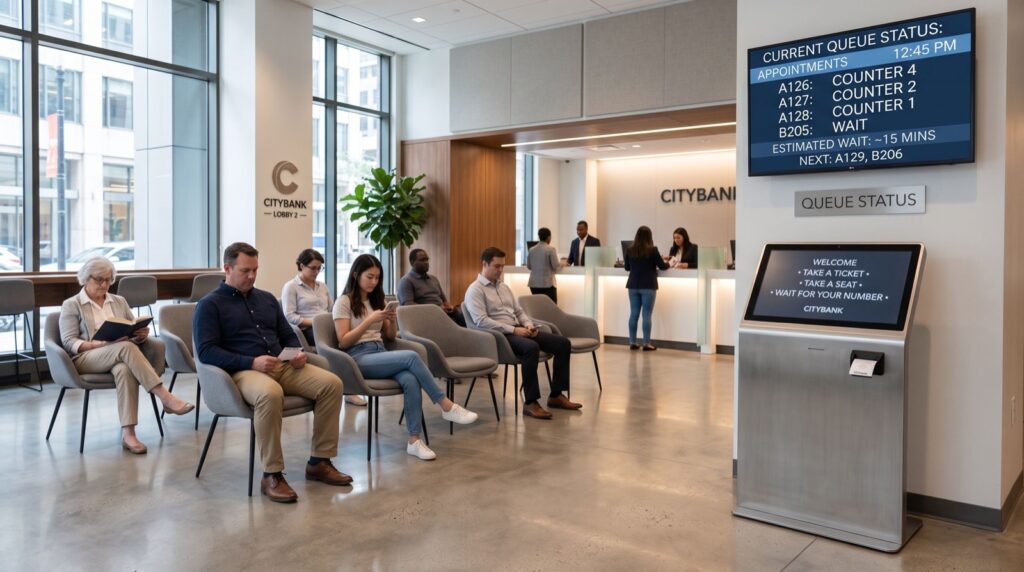
Drive-thru rarely stands alone. Many brands run a lane alongside an in-store counter, and unifying both flows creates a consistent customer experience. Linking your lane to a proven queue management system in lahore or any regional hub lets you standardise service standards, reporting, and staffing across formats.
When drive-thru timers and in-branch queue analytics share one dashboard, managers see the whole picture. They can shift staff between the lane and the counter as demand moves through the day, which is impossible with siloed tools.
Benefits of a unified flow
- One dashboard: lane and counter metrics side by side.
- Flexible staffing: move crew to the busiest channel in real time.
- Consistent standards: same service targets everywhere.
- Better forecasting: combined data sharpens demand predictions.
Comparing Drive-Thru Solution Tiers
Solutions scale with ambition and volume. The table below compares three common tiers to help you plan.
| Capability | Essential | Advanced | Enterprise |
|---|---|---|---|
| Audio communication | Wireless | Noise-cancelling | Multi-lane managed |
| Menu boards | Static | Digital | Dynamic + dayparting |
| Timing analytics | Basic | Multi-stage | Cross-site |
| Payment | Standard | Contactless | Integrated + loyalty |
| Queue integration | No | Optional | Unified dashboard |
Trends Shaping Drive-Thru in 2026
Several trends are reshaping the lane this year. AI-assisted order taking is maturing, helping crews handle peak volume with fewer errors. Predictive analytics now forecast rushes before they hit, so managers staff ahead of demand. Contactless and app-linked payment continue to shorten the final step, while sustainability features like idle-time reporting help reduce emissions in the lane.
To capture these gains, choose trusted professionals who keep your system updated and your staff trained as the technology evolves.
Original insight: the most overlooked ROI lever is menu board sequencing. Reordering items so the most profitable, fastest-to-prepare choices appear first can lift average spend and shave prep time at once, with zero extra hardware.
Practical Steps to Choose the Right Solution
- Measure your current lane speed and error rate for one week.
- Identify your single biggest bottleneck before buying anything.
- Match a solution tier to your peak volume, not your average.
- Plan for queue integration if you also run an in-store counter.
- Confirm local support terms for repairs and updates.
Avoiding Common Drive-Thru Solution Mistakes
Even good technology underperforms when it is deployed carelessly. The most frequent mistake we see is buying for average volume instead of peak, which leaves crews scrambling exactly when accuracy matters most. Always size your solution for your busiest hour, because that is the moment customers judge you and rivals try to win them.
A second common error is treating the menu board as static furniture. A digital board that never changes wastes its greatest advantage: the ability to promote high-margin items, adjust by daypart, and remove sold-out products in real time. Operators who actively manage their boards consistently lift average spend without adding a single second to service time.
Ignoring integration is another costly slip. When the lane, the POS, and the in-branch counter each run on separate tools, managers lose the unified view they need to move staff and forecast demand. Insist on systems that share data, so a single dashboard drives every decision. This is where connecting drive-thru with proper queue management pays off most, turning two disconnected channels into one coordinated operation.
Finally, do not skimp on support. A lane that goes dark at peak loses revenue by the minute, so a responsive maintenance agreement is not an optional extra; it is core insurance for your busiest asset.
Frequently Asked Questions
What is the difference between a headset and a full drive-thru solution?
A headset only handles audio. A full solution adds digital menu boards, order confirmation, timing analytics, and payment, all reporting into one dashboard so you can manage speed, accuracy, and revenue together.
Can a drive-thru solution work with my existing POS?
Usually yes. Leading platforms integrate with common POS systems through APIs, so timing data, orders, and payments stay connected. Confirm compatibility with your provider before purchase to avoid manual workarounds.
How does queue management relate to drive-thru?
Both manage customer flow. Unifying them lets you see lane and in-branch counter performance on one dashboard and move staff to the busiest channel, which improves service consistency and forecasting.
Is contactless payment necessary in 2026?
It is close to essential. Contactless speeds the final window step, reduces handling, and matches customer expectations. It also supports loyalty tie-ins that lift repeat visits and average spend.
Conclusion
A modern drive-thru solution in Saudi Arabia is far more than a headset; it is an integrated system that boosts speed, accuracy, and ROI while connecting seamlessly to your in-branch queue management. Measure your lane, fix your biggest bottleneck, choose the right tier, and partner with responsive local experts. Take those steps in 2026, and your drive-thru will serve more customers, waste less, and keep them coming back for the effortless experience they expect.