
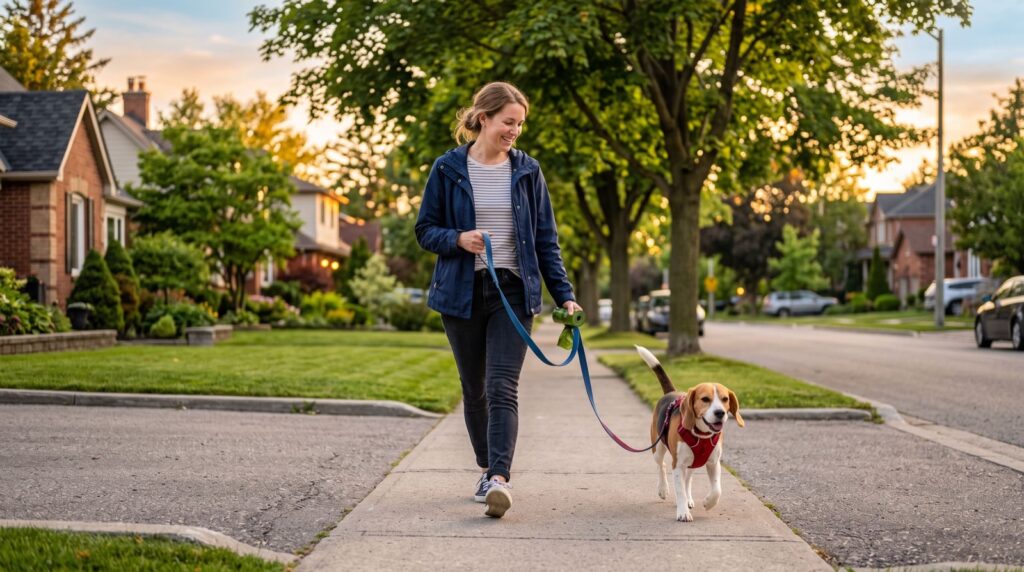
Heavy Duty Trash Bags for Dog Waste 2026
Heavy duty trash bags are the backbone of responsible dog-waste disposal, yet most owners give them zero thought until one splits open. How you contain and dispose of waste affects odor, hygiene, and even local water quality. This 2026 guide covers choosing the right bags and disposing of dog waste the responsible way.
I learned the hard way that disposal is half the battle. Scooping is easy, but a torn bag or an open bin undoes all the effort, which is why the right heavy duty trash bags matter so much.
Why Heavy Duty Trash Bags Are Worth It
Dog waste is heavy, wet, and prone to punctures from gravel and claws. A standard kitchen bag was never designed for that load, and it fails at the worst moment.
Heavy duty bags resist tears, contain moisture, and seal odor for the days between trash collection. That reliability is the whole point of using them.
What separates heavy duty from standard
- Higher micron thickness that resists punctures.
- Reinforced seams that hold weight without splitting.
- Better odor seal for multi-day storage.
- Generous sizing for full-week yard cleanups.
How Should You Dispose of Dog Waste?
Responsible disposal follows a simple sequence. Skipping steps is where odor and contamination creep in.
- Scoop waste and seal it in a strong bag immediately.
- Consolidate daily bags into a larger heavy duty liner.
- Store the sealed bag in a lidded bin, never open air.
- Place it in regular trash, never the recycling or compost.
- Rinse the bin periodically to control lingering odor.
For yard-scale cleanups, sturdy Heavy duty trash bags hold a full week of waste without leaking, which keeps the whole process clean and odor-controlled.
Comparing Disposal Bag Options
This table weighs the common choices so you can balance strength, odor control, and environmental impact.
| Bag Option | Strength | Odor Seal | Eco Impact |
|---|---|---|---|
| Standard kitchen bag | Low | Poor | Standard plastic |
| Heavy duty trash bag | High | Very good | Standard plastic |
| Compostable heavy duty | Medium-high | Good | Lower, needs facility |
Does Dog Waste Disposal Affect the Environment?
It does, more than most people realize. Waste left on the ground or bagged improperly washes into storm drains and carries bacteria into waterways. The U.S. Environmental Protection Agency addresses this in its guidance on stormwater pollution.
Sealing waste in a strong bag and binning it properly keeps those pathogens out of the water cycle. It is a small act with a real environmental payoff.
Pairing Strong Bags With a Reliable Scooper
Bags and tools work together. A strong bag is only as useful as the scooper that fills it cleanly, keeping your hands well away from the waste. Keep a durable scooper and a Dog poop bag supply together as a single kit.
An original tip: keep a dedicated outdoor bin with a tight lid just for dog waste. Separating it from household trash controls odor and makes bin-day handling far more pleasant.
Setting Up a Dedicated Waste Station
A little organization turns disposal from a chore into a reflex. A dedicated waste station near the yard exit keeps bags, a scooper, and a lidded bin all in one spot, so nothing gets skipped.
Place the station where you naturally pass on the way in, and stock it before you run low. The easier the setup, the more consistent the habit, and consistency is what keeps odor and pests away.
What a good station includes
- A roll of heavy duty bags within arm’s reach.
- A long-handled scooper hung nearby.
- A lidded outdoor bin dedicated to pet waste.
- An enzyme spray for spot cleaning.
Scaling Disposal for Multiple Dogs
Volume changes everything. A multi-dog yard generates far more waste than a single-dog home, and disposal has to scale to match or the bin overflows and odor takes over.
Larger liners, more frequent bin runs, and sometimes outside help all come into play. Households that fall behind often turn to quality service providers who bag, haul, and dispose of everything on a set schedule.
| Dogs | Weekly Volume | Disposal Setup |
|---|---|---|
| One | Low | Standard bags + lidded bin |
| Two to three | Medium | Large liners + frequent runs |
| Four or more | High | Bulk liners or a service |
Disposal Habits That Stick
Responsible disposal only works if it becomes second nature. The owners who never struggle with odor or overflow are the ones who built simple, repeatable habits and stuck to them every day.
Seal at the source, consolidate into strong liners, bin promptly, and restock before you run low. None of these steps is difficult, but skipping any one of them is where problems begin. Lock in the routine in 2026, and dog-waste disposal fades into the background of your day instead of becoming the smelly problem nobody wants to deal with.
Frequently Asked Questions
Can I flush dog waste instead of bagging it?
Only bare waste, and only where local rules allow, never the bag. Bags of any kind clog plumbing. For most owners, sealing in a heavy duty bag and binning it is the safest, simplest route.
Are compostable trash bags strong enough for dog waste?
Many certified compostable heavy duty bags are strong enough for daily use. They break down only in proper facilities, though, so confirm your area accepts them before relying on the compostable claim.
How do I stop my waste bin from smelling?
Use a lidded bin, double-bag with heavy duty liners, and rinse the bin periodically with a diluted disinfectant. Sealing waste at the source is the biggest factor in odor control.
Is it safe to put dog waste in the regular trash?
Yes, sealed in a strong bag, regular trash is the standard and accepted disposal method in most areas. Never place it in recycling or garden compost, where it contaminates the stream.
Dispose Responsibly, Keep Everything Clean
Heavy duty trash bags make responsible dog-waste disposal reliable, odor-free, and better for the environment. Pair strong bags with a good scooper, seal waste immediately, and bin it properly. Stock up on the right bags in 2026 and handle every cleanup the responsible way.