High Rise Plots in Rawalpindi: Vertical Investing
The rise of high rise plots in Rawalpindi marks a real shift in how the twin cities think about property. For decades, buyers chased horizontal land: a Marla here, a Kanal there, a single house on a single footprint. Now, as usable land near Islamabad grows scarce and expensive, smart investors are looking upward. High-rise plots let you build apartments, mixed-use towers, and commercial floors on a compact footprint, multiplying returns per square foot in a way traditional plots simply cannot match.
This article breaks down what high-rise plots are, why they suit the Rawalpindi–Islamabad market in 2026, and how to evaluate one before you invest.
What Exactly Is a High Rise Plot?
A high-rise plot is land specifically zoned and approved for vertical construction beyond the usual two or three storeys. Instead of one family per plot, a high-rise allows dozens of units stacked in a single tower. That density is the entire investment thesis: more sellable or rentable area from the same piece of ground.
Developers and individual investors both benefit. A developer can build and sell apartments floor by floor. An individual investor can buy the plot early, hold as approvals and infrastructure mature, then either build or resell at a substantial premium.
Key Features to Look For
- Approved floor count: confirm how many storeys the by-laws permit.
- Wide access roads: high-rises need frontage that can handle traffic and parking.
- Utility capacity: water, power, and sewerage must be sized for dense occupancy.
- Central location: proximity to commercial hubs raises apartment demand.
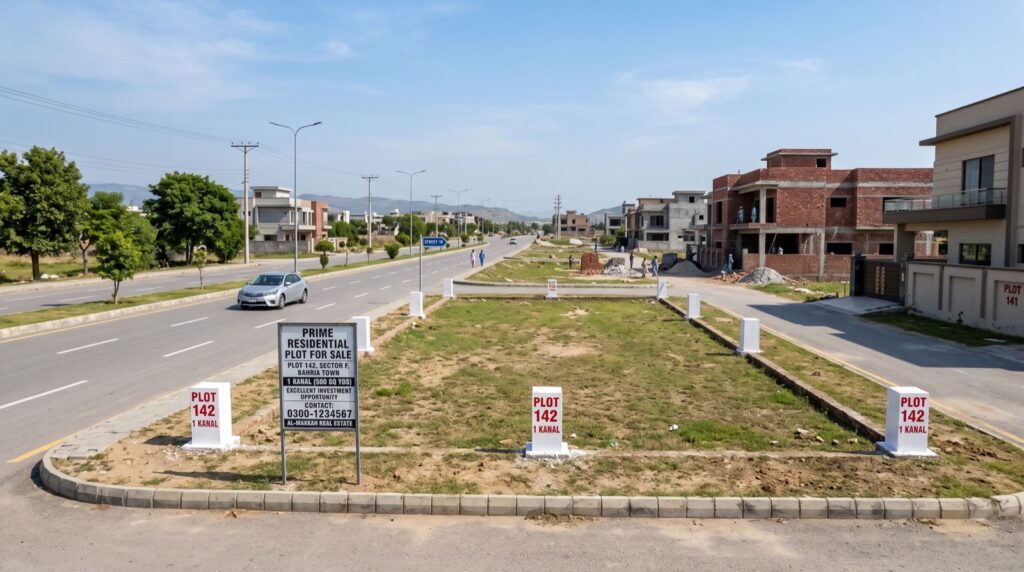
Serious buyers usually scout dedicated blocks. The High Rise Plots in Rawalpindi offered inside modern planned societies are engineered from the start for vertical development, which removes many of the zoning headaches older neighbourhoods create.
Why Vertical Investing Makes Sense in 2026
Three forces are pushing the twin cities upward. First, land near Islamabad is finite and prices keep climbing. Second, the population of young professionals and small families who prefer apartment living is growing fast. Third, planned societies now design road networks and utilities specifically to support towers.
Apartment living also appeals to buyers who want security, shared amenities, and lower maintenance than a standalone house. That demand feeds directly into strong rental occupancy, which is exactly what a high-rise investor wants.
High Rise vs Traditional Plots: A Comparison
How does a high-rise plot stack up against a conventional residential plot? The table below highlights the trade-offs so you can match the choice to your strategy.
| Factor | High Rise Plot | Traditional Residential Plot |
|---|---|---|
| Return per square foot | Very high | Moderate |
| Entry cost | Higher | Lower |
| Construction complexity | High | Low |
| Rental income potential | Multiple units | Single unit |
| Best for | Developers, serious investors | End users, first-time buyers |
If you are new to the market and prefer a gentler starting point, well-priced Residential Plots in Islamabad let you learn the ropes before committing to the larger capital and complexity of a vertical project.
Financing the Vertical Leap
High-rise plots often come with structured instalment plans, which soften the higher entry cost. Some investors also form small partnerships to share the plot and later split the built units. Whatever route you choose, model your cash flow carefully and keep a buffer for construction cost inflation.
How Do You Evaluate a High Rise Plot Before Buying?
Start with the legal foundation. Confirm the society is approved by the relevant development authority and that the specific block is zoned for high-rise construction. Then assess the physical realities: road width, parking provision, and utility headroom. Finally, study the surrounding demand by checking nearby commercial activity and existing apartment occupancy.
- Verify zoning and permitted floor count.
- Inspect road access and parking feasibility.
- Confirm utility capacity for dense occupancy.
- Study local rental demand and comparable projects.
- Review the developer’s delivery track record.
Independent guidance helps. Global institutions such as the World Bank have long noted that urban densification, done with proper infrastructure, improves land efficiency and economic value, which is precisely the logic behind vertical investing.
Because towers carry more moving parts than a simple plot, partner with people who have actually delivered. Buyers who work alongside reputable service experts tend to navigate approvals, engineering, and paperwork with far fewer costly surprises.
The Economics of Going Vertical
The financial logic behind high-rise plots deserves a closer look. Imagine two identical pieces of land side by side. On the first, a single house is built and rented to one family. On the second, an approved tower rises with ten apartments. The second plot generates roughly ten rent cheques from the same ground area, minus shared maintenance.
This multiplication effect is why developers pay a premium for high-rise-zoned land. Even after accounting for higher construction costs, the return per square foot of land often dwarfs that of horizontal development. The key is that construction cost is spread across many sellable or rentable units.
Consider the drivers that make the maths work:
- Unit multiplication: more sellable area from a fixed footprint.
- Shared services: one lift, one security team, and shared utilities serve many families.
- Premium amenities: gyms, rooftops, and parking justify higher rents.
- Central demand: professionals pay more to live near work and transport.
Because the upside is large, the discipline must be equally large. Underestimating construction cost or overestimating rent is the fastest way to erode a high-rise return, so build conservative assumptions into every projection.
Timing Your Entry into the Vertical Market
When you buy matters as much as what you buy. The most rewarding window is usually early in a society’s development, before the tower-ready blocks are fully priced in. At that stage, a high-rise plot costs less, yet its future value is anchored to the density it will eventually support.
A sensible entry sequence looks like this:
- Identify societies actively planning vertical zones and infrastructure.
- Enter during early development when per-unit land cost is lowest.
- Hold as roads, utilities, and neighbouring towers mature.
- Decide whether to build, partner, or resell once demand peaks.
Patience is the vertical investor’s greatest asset. The families and businesses that make a tower profitable arrive over years, not months, so plan your capital and expectations for the medium term.
Frequently Asked Questions
Are high rise plots profitable in Rawalpindi?
Yes. Because they allow many units on a small footprint, high-rise plots can generate several times the rental income and resale value of a single-unit residential plot, especially in central, well-serviced locations.
Do I need to build immediately after buying?
No. Many investors buy early, hold while approvals and infrastructure mature, then either construct or resell at a premium once the block develops.
What is the biggest risk with high rise plots?
The main risks are unclear zoning and weak infrastructure. Always confirm the permitted floor count and utility capacity, and choose a society with a strong delivery record.
Can beginners invest in high rise plots?
Beginners can, but starting with a standard residential plot first often makes sense. It builds market experience before you take on the higher capital and complexity of vertical development.
Conclusion: Build Upward with Confidence
High rise plots in Rawalpindi represent the future of a land-constrained, fast-urbanising twin-city market. Approach them with clear zoning checks, solid infrastructure verification, and a credible development partner, and vertical investing can deliver returns that flat land rarely matches. Ready to explore your options? Review approved high-rise and residential blocks with a trusted developer today, and position yourself ahead of the 2026 demand curve.